





Measuring fuel poverty
BRE is an independent, research-based consultancy, testing and training organisation, operating in the built environment and associated industries.
On 3 June 2016, BRE published Measuring Fuel Poverty, written by Claire Summers, Jack Hulme and Busola Siyanbola.
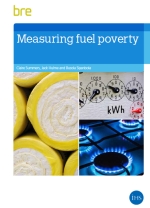
BRE has been measuring fuel poverty on behalf of the UK government since the 1990s. The new publication describes the origins and development of the fuel poverty concept, its measurement in the UK, and how it is used to help target those households most at risk of being unable to heat their homes.
The concept considers that households in fuel poverty may be placing themselves at risk by not heating their homes to sufficiently to prevent ill health. To assist these households, it is first necessary to identify them.
The two main measures of fuel poverty are the 10% definition and the Hills Low Income High costs (LIHC) definition.
- The 10% definition identifies fuel-poor households as those that would be required to spend more than 10% of their household income on fuel in order to meet a specified heating regime.
- The Hills LIHC definition identifies fuel-poor households as those with an income below the official poverty line coupled with higher-than-average fuel costs.
At present the Hills LIHC definition is used to measure fuel poverty in England, whilst the 10% definition is used in Scotland, Wales and Northern Ireland.
The publication explains the development and definitions of fuel poverty, and summarises fuel poverty trends over time. It considers who the fuel poor are, and looks at the reasons for changing levels of fuel poverty. It is intended to provide background to the concept for housing associations and housing providers, energy suppliers, policy makers, energy consultants and academics.
Its contents are:
- Introduction
- Fuel poverty methodology
- Fuel poverty trends
- Fuel poverty at a local level
- Conclusions and the future of fuel poverty development
- References
[edit] Related articles on Designing Buildings
- A measure of net well-being that incorporates the effect of housing environmental impacts.
- Adapting 1965-1980 semi-detached dwellings in the UK to reduce summer overheating and the effect of the 2010 Building Regulations.
- Anatomy of low carbon retrofits: evidence from owner-occupied superhomes.
- BRE and Willmott Dixon project to retrofit of a 1920s semi-detached house.
- Building Research Establishment BRE
- Energy companies obligation ECO.
- Fuel poverty.
- Green deal scrapped.
- Heat Energy: The Nation’s Forgotten Crisis.
- Housing contribution to regeneration.
- Poverty.
- Renovation Wave Strategy RWS.
- The cold man of europe 2015.
- The full cost of poor housing.
- The Future of Electricity in Domestic Buildings.
- The real cost of poor housing.
- Transitioning to eco-cities: Reducing carbon emissions while improving urban welfare.
- Well-being and regeneration: Reflections from Carpenters Estate.
- Wellbeing.
Featured articles
Check out some of the best features and news from Designing Buildings as well as key stories from around the web.
ECA calls for an exemption for contractors working away from home.
Fire performance of thermal insulation
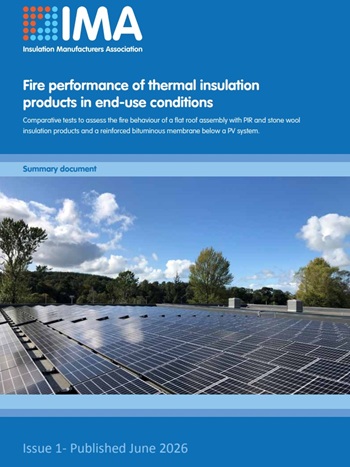
Flat roof assemblies with PV.
Become a Professional Development Partner

CIOB launches a new framework for staff development and chartered membership.
Dorset's first conservation campaigner?
Gov.uk - Hot-rolled steel plate

New anti-dumping measure imposed on South Korea.
ECA responds to the Milburn Report

Youth employment to be linked to workforce demand.
The construction industry urgently needs to attract new talent
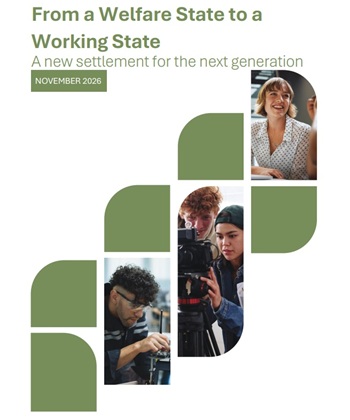
CIOB responds to Neets report.
Grenfell Tower community update

Memorial columns to be retained as careful dismantling continues.
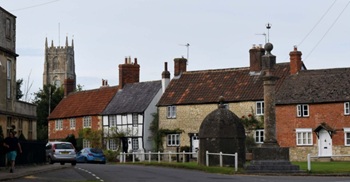
When buildings reflected the local resources available.

CIOB reports 57% are using artificial intelligence technologies.

More of England’s ‘hidden heroes’ will be celebrated.

CIAT calls for retrofit to be a priority.